Egyptian History & Culture
Discover the fascinating civilization behind these ancient wonders
The Old Kingdom Period
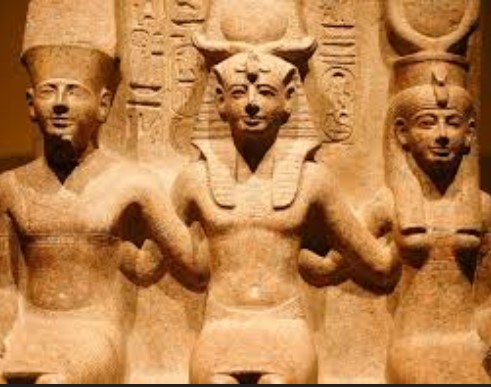
The pyramids were built during Egypt's Old Kingdom period (2686-2181 BCE), often called the "Age of the Pyramids." This era represented the height of pyramid construction, when pharaohs commanded vast resources and skilled workers to create these eternal monuments.
During this period, the pharaoh was considered a living god, the earthly embodiment of Horus and the son of Ra, the sun god. This divine status justified the massive expenditure of resources and labor required to construct these magnificent tombs that would ensure the pharaoh's successful journey to the afterlife.
Ancient Egyptian Society
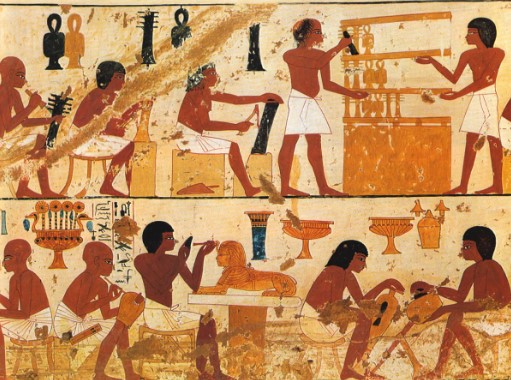
Egyptian society was highly stratified, with the pharaoh at the apex, followed by nobles, priests, scribes, craftsmen, farmers, and laborers. This social structure enabled the massive coordinated effort required for pyramid construction.
The complex Egyptian bureaucracy managed everything from tax collection to pyramid construction logistics. Scribes played a crucial role in recording workers, materials, and progress, providing us with valuable insights into ancient Egyptian administrative capabilities.
Engineering Marvels
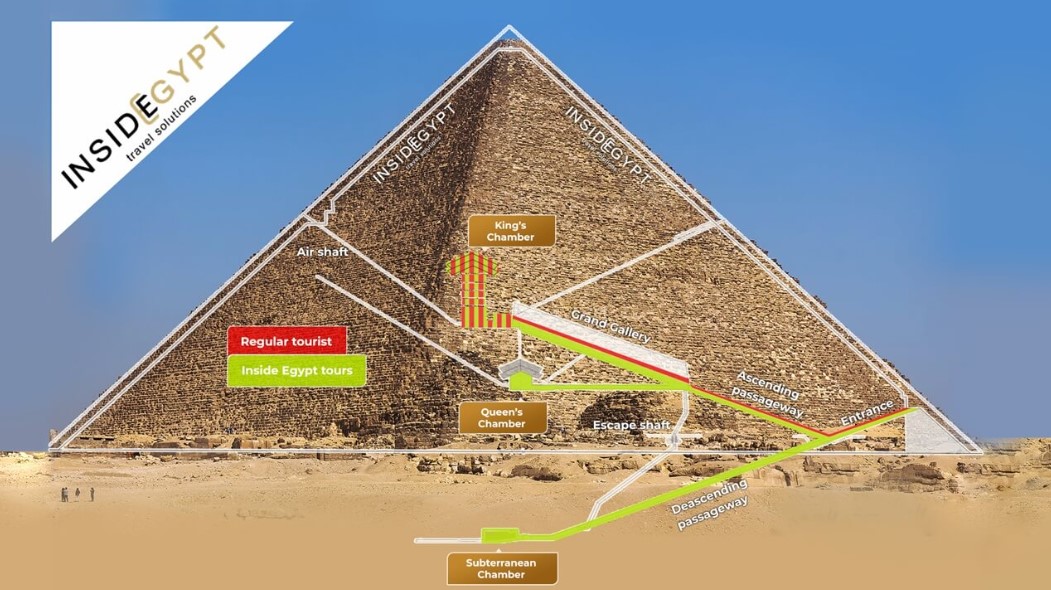
The precision of pyramid construction continues to amaze modern engineers. The Great Pyramid's base is level to within just 2.1 centimeters, and its orientation to true north is accurate to within 3/60th of a degree - remarkable achievements for 4,500 years ago.
Technical Achievements:
- Mathematical Precision: Accurate use of pi and golden ratio proportions
- Weight Distribution: Internal chamber design preventing structural collapse
- Ventilation Systems: Air shafts maintaining interior climate control
- Sealing Mechanisms: Complex blocking systems protecting burial chambers